Which Is Better for My Skin: Manual or Chemical Exfoliation?

Chemical exfoliants like glycolic, salicylic and lactic acid give deeper, longer-lasting resurfacing, while physical scrubs, brushes and cloths offer immediate buffing and a circulation boost. This piece compares manual versus chemical exfoliation, explains which suits acne, dryness or sensitivity, and highlights practical tool-care and product-choice tips.
Top Insights From This Guide
- Choose chemical exfoliants (glycolic, salicylic, lactic or enzymes) for deeper, longer results
- Use physical scrubs, brushes or cloths for immediate surface smoothing and circulation benefits
- Clean brushes, sponges and cloths weekly and store them to dry to prevent bacterial build-up
- Prefer chemical options for acne, eczema, rosacea, dry or sensitive skin to avoid scrubbing irritation
If you want instant brightness or lymphatic stimulation, a manual scrub or cloth will deliver quick payoff; if you need gentler, ongoing resurfacing or anti-ageing effects, acids or enzymes are more effective. Follow simple hygiene routines for tools and choose products to match your skin concern for safer results.
But what is exfoliation, are there different types of exfoliation, and what's better - physical vs chemical?
You can find out everything you need to know about exfoliation by listening to the Week 6 episode of Skincare School the podcast below (or keep scrolling for the quick version).
Types of Exfoliation.
Exfoliation is the practice of removing dead skin cells faster than your skin would naturally do on its own.
There are two main types of exfoliation: physical exfoliation (or manual exfoliation) and chemical exfoliation. But what's the difference?
1. Physical/Manual Exfoliation: What Is It?
A physical exfoliant is any product that physically buffs dead skin cells away via a rubbing or scrubbing action, hence the term 'manual exfoliation'.
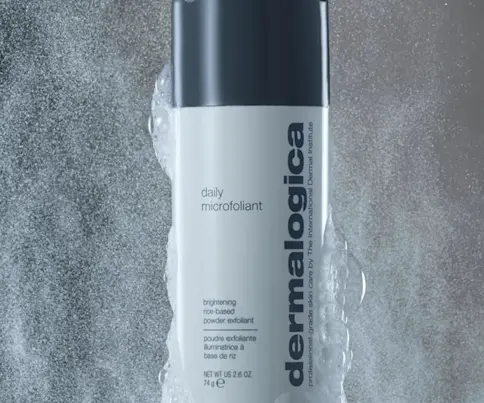
Common physical exfoliants are face scrubs, cleansing cloths or flannels and cleansing brushes. Physical exfoliation You might opt for a physical exfoliant if you want something that:
- Shows immediate results
- Won't interact with the ingredients in the rest of your skincare routine., i.e. is easily integrated
- Stimulates circulation (which may help drain lymph and reduce facial puffiness)
Some of our favourites include:
If you choose a brush, sponge or cloth for exfoliation, it's very important to clean these products regularly. The dead skin that's removed during exfoliation is the perfect breeding ground for bacteria, especially when damp. Clean your exfoliating tool weekly and store it in a place where it can dry quickly.
Chemical Exfoliation: What Is It?
Most people are familiar with physical exfoliants, but not everyone has heard of chemical exfoliants. The latter are based on mild acids or enzymes. When these ingredients are applied to skin, they gently dissolve the 'glue' that cements dead skin cells together.
Common chemical exfoliants include:
- Glycolic acid
- Lactic acid
- Papain (enzyme derived from papaya)
- Bromelain (enzyme derived from pineapple)
Unlike physical exfoliants, products containing acids or enzymes require no scrubbing and work gradually. These are great benefits for problem skin, whether it's prone to acne, eczema, rosacea, dryness, or sensitivity. This is why chemical exfoliants can in fact be milder and gentler than scrubs and the like.
Once applied, a chemical exfoliant not only works on the top layers of skin. The chemical can also penetrate and work on layers not yet visible to the eye. This creates a long-lasting increase in your natural exfoliation rate.
You might opt for a chemical exfoliant if you want something that:
- Is quick and easy to use
- Requires no scrubbing (great for problem skin types)
- Continues to work after application
- Works more deeply than a physical exfoliant, i.e. offers longer-lasting results
Some of our favourites include:
Whether you choose a physical or chemical exfoliant, both will help your skin slough more quickly on its own. The skin-cell turnover rate declines with age, which is why exfoliation is vital to keep skin looking fresh, healthy, and youthful.