4 Questions That'll Help You Figure Out if Your Skin Is Dry or Dehydrated

Amy Clark is Adore Beauty's former Senior Editor and co-host of Skincare School the podcast (and self-appointed beauty road-tester!). Amy's worked as a journalist, beauty editor and podcaster for several years, previously writing and talking about all things beauty at Mamamia and You Beauty. When she's not writing honest, no BS product reviews and taking selfies 'for work', you'll find Amy eating halloumi in a hair towel turban and... taking more selfies.
Dry skin is an oil-deficient skin type, while dehydrated skin is a condition caused by a lack of water. You can have both and they need different fixes, from emollients and ceramides to humectants like hyaluronic acid and occlusives, and the four questions below show how to tell which you have and what to use.
Top Insights From This Guide
- If your skin always feels tight, flaky or needs thicker creams, you likely have dry skin.
- Dull skin with more visible fine lines that improves quickly after hydrating indicates dehydration.
- Choose emollients, ceramides and niacinamide when your skin lacks oil and needs barrier support.
- For dehydration, use humectants like hyaluronic acid or glycerin and seal with an occlusive to prevent moisture loss.
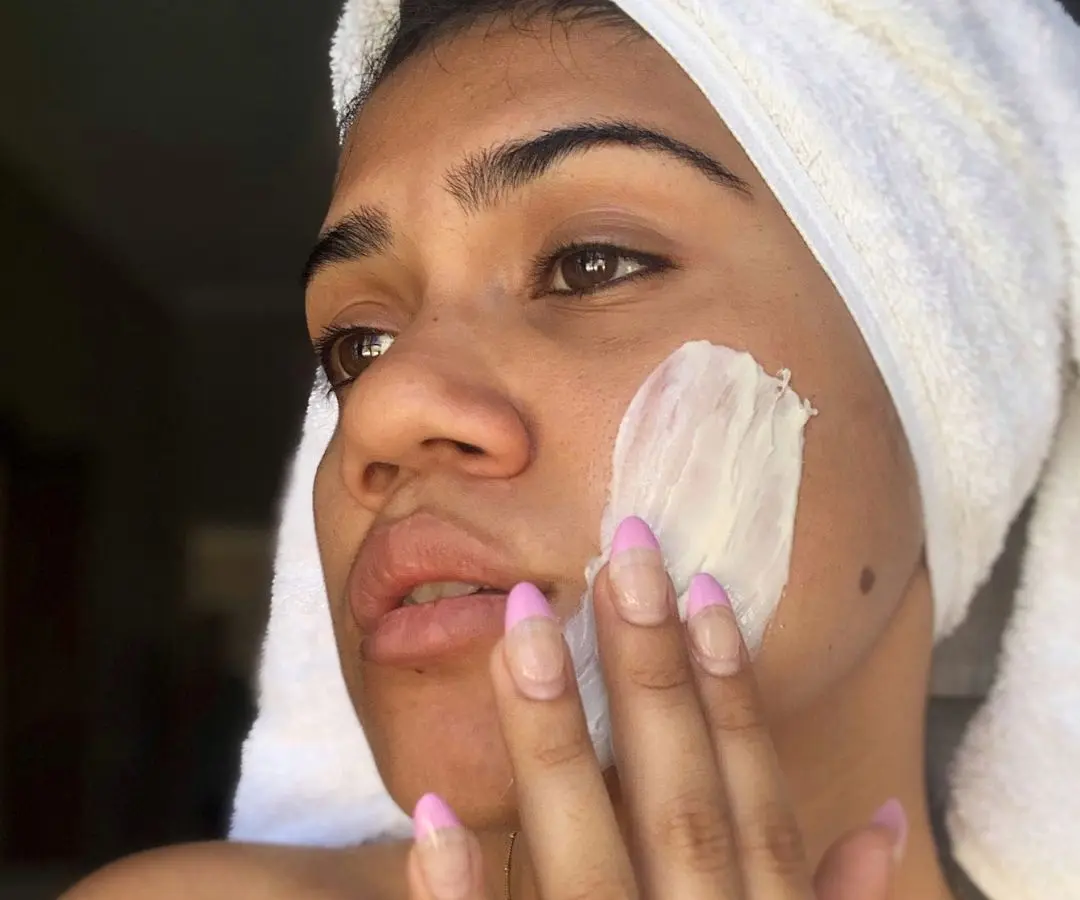
If you're reading this article right now, there's a good chance you think you might have dry or dehydrated skin. Or both. Jackpot.
But did you know dry skin and dehydrated skin aren't the same thing? In fact, a lot of people - this writer included - have mistaken one for the other.
Even though dry and dehydrated sound similar (and yes, you can have both at the same time), these two common skincare terms mean very different things and can be managed using different products.
But... how does one find out if their skin is dry or dehydrated? You can find out the difference by listening to the Week 8 episode of Skincare School the podcast below (or keep scrolling for the quick version).
What is Dry Skin?
Dry skin is a skin type involving a lack of oil in the skin.
Environmental and lifestyle factors can exacerbate dry skin, but whether or not you have dry skin is mostly determined by your genes.
You probably have dry skin if:
- Your skin usually feels on the tighter or drier side, and can appear dry, dull, flaky and/or textured.
- You feel like you need more moisturiser or thicker creams to keep your skin feeling comfortable.
- Your makeup doesn't always go on smoothly over your skin texture.
Best ingredients and products for dry skin:
- Emollient ingredients like plant oils, mineral oil, shea butter, cocoa butter, petrolatum, and fatty acids sink into the skin to make it soft, supple and flexible.
- Ceramides and niacinamide both help to maintain the skin barrier.
- These are often found in oily serums, face oils and thicker moisturisers.
Shop skincare products for dry skin here, or watch this dry skin skincare routine on our YouTube channel below.
What Is Dehydrated Skin?
Dehydrated skin is a temporary skin condition resulting from a lack of water in the skin. All skin types can experience dehydration, including those with oily and combination skin.
What causes dehydrated skin? Things like the weather, your environment, sitting in air con, lifestyle factors, hormones, and even using too many active skincare products or incorrect products for your skin type.
You probably have dehydrated skin if:
- Your skin appears dull and fatigued, and feels textured.
- Fine lines and wrinkles appear more pronounced.
- You feel like your skin is oily or acne-prone and dry at the same time.
- You see improvement within hours of using hydrating skincare products.
Best ingredients for dehydrated skin:
- Humectant ingredients like hyaluronic acid, glycerin, urea and sodium PCA grab onto water and keep it on the skin.
- These are often found in hydrating toners, water-based serums and gel moisturisers that are lightweight and slightly tacky.
- Occlusive ingredients like lanolin and petroleum jelly (Vaseline) create a barrier over the surface of the skin to prevent moisture loss.
- These are often found in sleeping masks and thick moisturisers.
Dry vs Dehydrated Skin - How to Tell the Difference.
If you're not sure whether you have dry skin (a skin type) or dehydrated skin (a skin condition), here are some questions to ask yourself:
1. Have you always had dry skin? Dry skin is likely your skin type.
2. Does your skin feel and appear dry, flaky or tight most of the time? This is a common sign of dry skin.
3. Does your skin appear fatigued or dull with pronounced fine lines and wrinkles? This is a common sign of dehydrated skin.
4. Do you notice an improvement in your skin appearance after using hydrating products? This is common when managing dehydrated skin.
But the best way to know for certain? See a skin professional and they can assess your skin and provide personalised, professional advice.
Want to dive deeper on dry and dehydrated skin? Here's some more content below:
Head to our Skincare School content hub for more episodes, articles and info on Skincare School the podcast!