Azelaic Acid 101: The Viral Skincare Ingredient That Does a Bit of Everything

Yads Cauchi is a Dermal Clinician, Nutritionist (BHSc, MSc) and Beauty Journalist. She's also a mum of four. Evidence based skin health and nutrition are her thing and she works from her own skin clinic based in Canberra - you can find her there, or on Instagram and TikTok @yadscauchiskin.
Key Takeaways
- Azelaic acid is a gentle multi-tasking acid that helps with redness, breakouts and uneven skin tone.
- It's well tolerated by sensitive and rosacea-prone skin, making it a good alternative to stronger actives.
- It can be used alongside other actives like vitamin C and niacinamide, and is generally safe for daily use.
- Available in a range of formats and strengths, from leave-on serums to gentler over-the-counter concentrations.
Azelaic acid is blowing up on social media and IMO it kind of deserves its minute in the spotlight, because while we’ve all heard of ingredients like retinoids and vitamin C, azelaic acid is an ingredient that has been used dermatologically for decades, (and can do a little bit of everything), but until now has flown under the radar.
So let’s explore.
What is azelaic acid?
You see, while azelaic acid is a gentle exfoliant, I wouldn’t necessarily lump it into the traditional exfoliating acid category. Instead, I like to think of it more as a versatile ingredient that can do a multitude of different jobs in the skin.
Firstly, it’s a dicarboxylic acid, meaning it gently exfoliates the skin, but it also has anti-inflammatory properties, is an antioxidant, comedolytic (can prevent comedones/blackheads), and is keratolytic (breakdown excess keratin) too. So you can see it's a bit of an overachiever.
What does azelaic acid do for your skin?
Azelaic acid helps fight acne by helping to normalise keratinisation/keep pores clear, it can manage rosacea by improving inflammatory lesions and erythema (redness), and because it has the ability to remove dead skin cells it can mildly help pigment concerns too.
However, the strength of your azelaic acid products matters, because they can be different and higher does not always = better.
For eg. 10% is commonly used in OTC (over the counter) skincare and might be a nice entry point for people to try. While a lot of the evidence tends to sit around the 15-20% mark and may be the best percentage to manage acne/rosacea concerns.
I’d also be mindful of how azelaic acid is incorporated into a routine alongside other actives because while it is a beneficial ingredient not every skin needs to be using it and too many actives will 100% destroy your barrier so tread with care.
However, I would consider azelaic acid if you have…
- Acne + leftover pigmentation
- Mild–moderate inflammatory acne
- Papulopustular rosacea
- Post-inflammatory hyperpigmentation
- Melasma/uneven pigmentation
- Skin that struggles with more irritating actives
And while I keep mentioning it is a great active for sensitive skin, please know nothing is universally irritation-free and if sensitive, your skin can still experience burning, stinging or dryness when attempting to add a new active into your routine. So always listen to your skin.
Keen to learn even more about this viral ingredient? Listen to the Beauty IQ expert episode below:
How do you use azelaic acid?
If you’re thinking about starting azelaic acid I will always recommend starting once daily, or every second day if you're reactive and slowly build up tolerance.
For e.g. Cleanser - azelaic acid - moisturiser - SPF (AM)
And while azelaic acid and retinoids can generally be used within the same overall routine, again, this is another combination that needs to be introduced thoughtfully because irritation can stack up. Meaning, if you start using azelaic acid and you start to experience burning or redness it might be worth backing off/reassessing how many actives your skin can tolerate and when it can tolerate them.
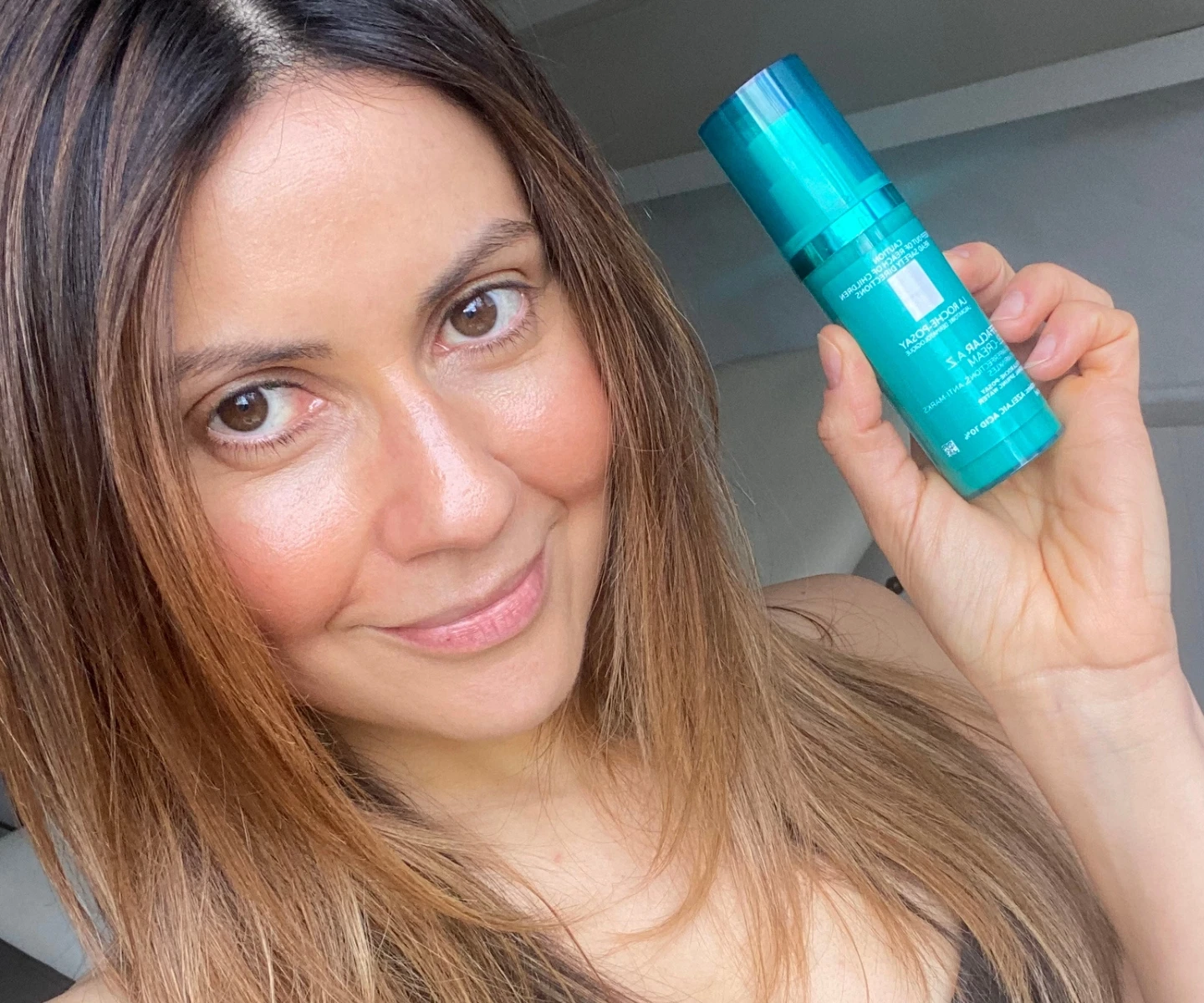
My personal azelaic acid top product pick: La Roche-Posay Effaclar A.Z Gel Cream - this is a lightweight gel cream azelaic acid combined with salicylic acid. It is a serum best for managing acne prone skin.
Editor's pick try: For an affordable azelaic acid option, try The Ordinary Azelaic Acid Suspension 10%
Still confused? Let me finish with a little azelaic acid cheat sheet for you...
- BEST FOR: Acne, post-acne pigmentation, rosacea, uneven pigmentation
- START WITH: Once daily/every second day depending on product + tolerance
- WHEN: AM or PM
- PLAYS WELL WITH: Niacinamide, moisturising/barrier ingredients and potentially other actives when appropriate
- WATCH OUT FOR: Stinging, dryness, redness and irritation
- RESULTS: Think weeks to months, not nights
- CLINICIAN VERDICT: One of skincare's most underrated multi-taskers.
Finally, while azelaic acid isn’t exactly new, there is actual clinical evidence behind it and it can do a lot for some really common skin concerns. So while I’m very happy to see it trending, as always, you don’t need to throw every active at your face just because TikTok told you to.
Catch up on more of Yad's expert advice, tips and skincare recommendations below: