The Ingredients You Probably *Don't* Want In Your Protein Powder

Yads Cauchi is a Dermal Clinician, Nutritionist (BHSc, MSc) and Beauty Journalist. She's also a mum of four. Evidence based skin health and nutrition are her thing and she works from her own skin clinic based in Canberra - you can find her there, or on Instagram and TikTok @yadscauchiskin.
Top Insights From This Guide
- Avoid whey protein concentrate if you're lactose sensitive; it can cause bloating and gas.
- Skip artificial sweeteners, dextrins or maltodextrins linked to gut inflammation and weight issues.
- Pick low-sugar, filler-free plant proteins for easier digestion and steadier appetite control.
- Try WelleCo for a gentle plant protein or The Beauty Chef chocolate with hemp for extra vitamin D.
Reading the ingredients list first saves money and avoids gut upset. Prioritise wholefood plant proteins, minimal sugar and no bulking fillers, test small tubs to check tolerance, and prefer brands with transparent sourcing if you have sensitive digestion.
Protein is found in every cell of our body. We need it to rebuild new cells and repair old ones - which is why when you’re busy, adding a little protein powder to a smoothie can be super handy.
I, for one, incorporate protein powder into my smoothies almost daily. They’re the best – although as protein powders are predominantly manufactured, the ingredients between them differ. Hence why I think it’s always important to skip past all of the marketing hype on the front of a packet and head straight for the ingredients list and nutritional facts instead.
Plus, since I’ve played guinea pig with a gazillion protein powders, my gut can always tell the difference when I started drinking something crap. And there’s nothing worse than spending over $80 (because yes, a lot of them can be expensive!) and having to throw it away because one of the ingredients in the formulas leaves you bloated, gassy and feeling gross.
How Can A Quality Protein Drink Benefit Your Diet?
There are many ways a quality protein drink made from wholefood ingredients can benefit you.
Dr Simoné Laubscher, Clinical Nutritionist, Naturopath, Life Coach + Formulator of WelleCo tells us, “protein powders made from wholefood ingredients means they’re bio available so your gut can easily absorb and utilise the essential amino acids as building blocks for your health. The nine essential amino acids are also key building blocks for protein and therefore can assist with collagen production, the framework to keep your skin looking fresh and youthful.”
There are a few other things a good quality protein can do to benefit our health, including keeping your appetite in check and your blood sugars stable; supporting nutritional needs in general, and during pregnancy; and helping to prevent muscle wastage and sustain lean muscle, as well as assist in recovery.
What Should I Avoid In A Protein Powder?
I like to ensure any protein powder I consume is free from additional chemicals or additives. Anything denatured (overly processed) is also a no-go from me. In fact, before I buy any protein powders I generally tend to ask the questions: is it low in sugar and free from fillers? If it is, then it gets the green light.
Dr Laubscher shares a few other notable ingredients to avoid below.
WHEY PROTEIN CONCENTRATE
“Plant protein has far superior utilisation and uptake into the cell and muscle than whey. Plants absorb more easily than any product derived from dairy foods. Whey protein powders are by-products of the liquid waste products of cheese production and still contain a small amount of lactose. Lactose is very hard to digest in a lot of people, and is the sugar component of milk (which is why many whey protein powders leave you feeling bloated and full of gas).”
GLUTEN
“After treating clients for over 20 years, I have seen a huge rise in gluten intolerance mainly due to more genetically modified foods. Fifty years ago, gluten ratios in oats and spelt were extremely limited and didn't seem to cause IBS issues. Now, since the gluten ratios are so much higher in most grains, it is causing huge IBS symptoms from wind, bloating, constipation, fatigue, brain fog and diarrhea.”
ARTIFICIAL SWEETENERS
“There have been many published papers now linking artificial sweeteners [including dextrins/malotdextrins] to weight gain, metabolic syndrome, gut inflammation and disease. These fake sweeteners are also linked to headaches, migraines and even more serious conditions like cardiovascular disease as seen in this published paper so why risk it?"
Other ingredients to watch out for include skim milk powders, thickeners and gums, and vegetable oils and fats.
Which Protein Powders Are Worth Adding To Cart?
WelleCo Nourishing Plant Protein Chocolate
OBSESSED. WelleCo is honestly the best protein I’ve tried. Expensive, yes but worth the spend especially if you’re prone to digestive issues like me. It’s such a super easy protein to digest and won’t upset your stomach at all. It also has a two-year shelf life which I think is bomb (although you will drink it all before then).The ingredients have been meticulously sourced and the formulas are super nutritious – yet still yum!

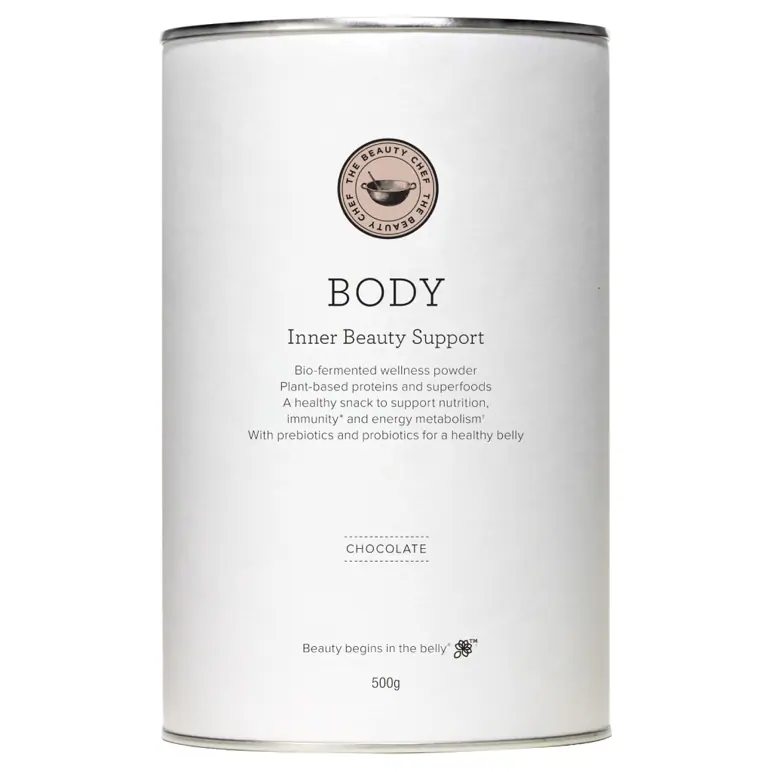
The Beauty Chef Body Inner Beauty Powder With Hemp
If chocolate is your jam then this flavour is for you. Filling, delicious and formulated with additional shiitake mushroom and hemp for added vitamin D (which sounds strange although I promise you can’t taste them!) This protein powder also contains alkalising greens so you get mega bang for your buck. Def. one to try if you’re a fan of the Glow Powder, because if you are then you’ll be a fan of this!