20% Off Almost Everything* |


Skincare
Makeup
Haircare
Body
Specials
logo
logo

Search brands, products, articles...

Out, Damned Spot! These Are The 7 Best Products For Tackling Hyperpigmentation, According to an Expert

Sukriti Wahi
by Sukriti Wahi
Updated:
03 Jul 2026
Sukriti Wahi is a journalist, copywriter and editor with a background in luxury fashion magazines. Covering everything from trending skincare to slow travel, her bylines have featured in the likes of Harper’s BAZAAR, ELLE, Marie Claire and Refinery29. Outside ‘magland’, she previously helmed editorial content for Aje and Stylerunner. These days, she divides her time between writing, dance classes and her six-step hair care routine (flow charts may or may not be involved).
The only guide you’ll ever need – trust us.

You know the frustration. I know the frustration. We all know the frustration.
I’m talking about those stubborn dark spots that simply refuse to fade after a pimple or a bit of extra sun, AKA hyperpigmentation (my personal skin woe).
So, to help us truly shoo the darned thing (and understand why it happens), we called upon Dr Prasanthi Purusothaman, a Sydney-based cosmetic physician, general practitioner and hyperpigmentation body care founder, to discover the best blemish-fighting products to shop right now.
Read on for everything you need to know.

What exactly is hyperpigmentation?

adore beauty article image
Per Dr Prasanthi, hyperpigmentation is the overproduction or uneven distribution of melanin, the pigment produced by melanocytes in the epidermis (the outer layer of your skin).
“Hyperpigmentation is simply an area of skin that has produced too much pigment. It can happen after a pimple, ingrown hair, eczema flare, pregnancy, sun exposure or even repeated rubbing,” she tells BeautyIQ. 
“The skin essentially ‘remembers’ inflammation and leaves behind a darker mark long after the original problem has healed.”
Importantly, hyperpigmentation is not a diagnosis; it's a clinical sign with multiple causes, she adds, noting that multiple triggers can lead to hyperpigmentation, including:
  • Post-inflammatory hyperpigmentation (PIH): follows acne, eczema, friction, shaving, laser procedures or injury.
  • Melasma: hormonally and heat/blood vessel-influenced pigmentation often worsened by UV and visible light exposure.
  • Solar lentigines: "sun spots" from cumulative UV damage.
  • Drug-induced or metabolic pigmentation: less common but important differentials.
And treating hyperpigmentation isn’t an easy “one size fits all” fix. For those with melanin-rich skin, inflammation often produces a disproportionately large pigment response.
“[In melanin-rich skin] the original inflammation may resolve, but melanocytes remain activated for months or years, continuing to transfer melanin into surrounding keratinocytes.
The location of pigment also matters, she notes:
  • Epidermal pigment = generally responds better and faster to treatment.
  • Dermal pigment = more difficult to treat and often requires longer treatment courses.

What should you look for in a good hyperpigmentation product?

Before we get into the products themselves, let’s get the low-down on exactly what to look for before we drop our hard-earned bread on treating these tough spots.
According to Dr Prasanthi, a good hyperpigmentation product should do a few things:
Target multiple pigment pathways  - “Not just one aspect, e.g. tyrosinase inhibition alone, or focus on one ingredient,” Dr Prasanthi says.
Reduce inflammation - “This is because inflammation drives ongoing pigment production,” she says. “This includes ingredients that calm, soothe, reduce inflammation, or antioxidants.”
Support the skin barrier - “Especially in sensitive or darker skin tones,” she continues. “A strong skin barrier is crucial to reduce predisposition to aggravation in the first place, skin-identical barrier support like ceramides, NMF ingredients, moisturising (humectants, emollients), lipids and free fatty acids.”
Be paired with a daily broad-spectrum SPF - “Because no pigment treatment can outwork UV exposure. [Go for] tinted if [you have] skin of colour or melasma, as visible light is a big trigger,” she tells BeautyIQ.
Feature these ingredients - “The strongest formulations typically combine ingredients such as niacinamide, tranexamic acid, alpha arbutin, vitamin C, azelaic acid, retinoids or newer technologies such as Melasyl,” she says.

The best hyperpigmentation products to shop in 2026
adore beauty article image
So, now that you know what causes the pesky blemishes and what makes for a good formula, let’s get into the products that are actually worth your money and time.
Remember how we said treating hyperpigmentation isn’t a “one size fits all”? Well, your top product may vary, depending on your other skin individualities and concerns, such as body pigmentation, sensitive skin, melanin-rich skin and more.
Luckily, we have a pro to make navigating all of that much easier. Read on for Dr Prasanthi’s top product picks for treating (and preventing) hyperpigmentation.

The best hyperpigmentation product for brown or black skin
Why it stands out:
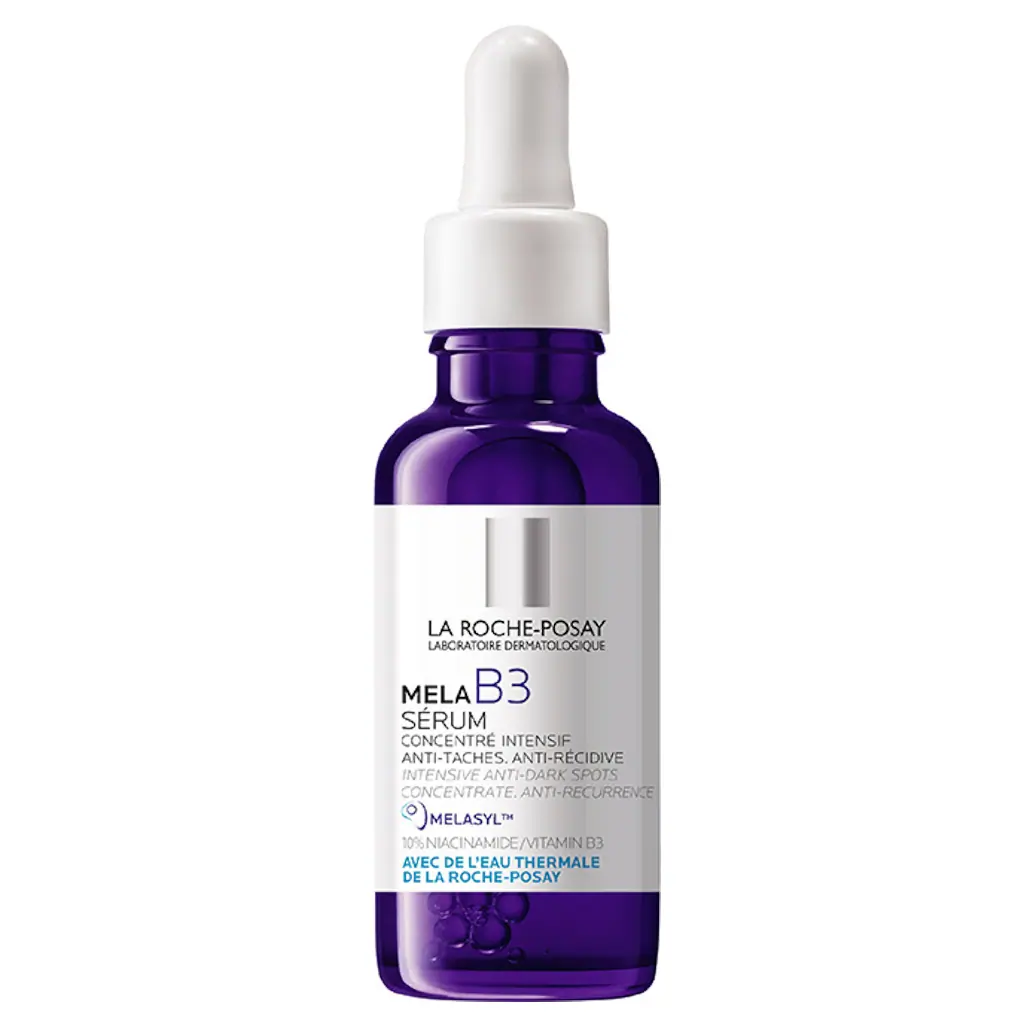
“[This is] a high-tech pigment serum that helps fade marks while being gentle enough for skin that's prone to developing dark spots after inflammation,” Dr Prasanthi explains.
How it works:
“This is one of the more sophisticated pigment formulas currently available through Adore Beauty. It combines Melasyl™, 10% niacinamide and LHA, targeting multiple stages of pigment formation while remaining suitable for sensitive skin.” – Dr Prasanthi

The best hyperpigmentation product for sensitive skin

Why it stands out:
Many consumers assume higher percentages of vitamin C automatically mean better results, but that's not always true, particularly in sensitive or pigment-prone skin.
“Phloretin CF uses 10% L-ascorbic acid, a lower concentration than formulations such as CE Ferulic (15%), helping improve tolerability while still delivering meaningful antioxidant and brightening benefits,” says Dr Prasanthi.
“I prefer the use of pure Vitamin C when it comes to pigmentation, as it is the most studied, with the most promising results in good-quality studies, across all the benefits of Vitamin C, including supporting healthy collagen production, as an antioxidant, reducing pigmentation, etc.”
How it works:
“What makes this formula particularly interesting is the addition of 2% phloretin, a naturally derived antioxidant from apples. Phloretin does more than simply neutralise free radicals; studies suggest it can help improve epidermal cell turnover, reduce oxidative stress-induced melanocyte activation and enhance penetration of other active ingredients. Oxidative stress is increasingly recognised as a major contributor to persistent hyperpigmentation, particularly following UV exposure, pollution and inflammation.
For patients with sensitive skin, rosacea tendencies, or skin of colour prone to post-inflammatory hyperpigmentation, I often prioritise reducing inflammation and oxidative stress before introducing more aggressive pigment-correcting ingredients. This is where Phloretin CF excels.” – Dr Prasanthi

The best hyperpigmentation product for the body

Why it stands out:
When treating body hyperpigmentation, consistency is often more important than potency, Dr Prasanthi emphasises.
“This formula was specifically designed for use on both the face and body and comes in a generous 100ml format, making it realistic to use consistently over time,” she says.
How it works:
“Niacinamide is one of the most versatile ingredients we have for pigmentation. Unlike ingredients that primarily target melanin production, niacinamide helps reduce the transfer of melanin from melanocytes to surrounding skin cells, while also supporting barrier function and reducing inflammation. This is particularly important because many forms of body hyperpigmentation are driven by ongoing irritation, friction, shaving, folliculitis or eczema.
“I also like that The Ordinary chose a 5% concentration of niacinamide. Higher percentages are not necessarily more effective and can sometimes increase irritation. The evidence suggests that 4–5% niacinamide delivers many of the pigment-correcting, anti-inflammatory and barrier-supportive benefits while maintaining excellent tolerability across a wide range of skin types." – Dr Prasanthi.

The best hyperpigmentation product for the body (targeted treatment)

Why it stands out:
“Many body dark spots start as pimples, ingrown hairs or inflamed bumps,” Dr Prasanthi tells BeautyIQ.
“These pads make treatment simple: swipe, go and let the ingredients do the work. They're excellent for anyone wanting a single product that helps with acne, ingrowns, rough skin and the dark marks those conditions leave behind. I particularly like the format for hard-to-reach areas such as the back and shoulders, where adherence to treatment is often one of the biggest barriers to success."
How it works:
“Body hyperpigmentation rarely exists in isolation. In clinical practice, dark marks on the back, chest, shoulders, buttocks and bikini line are often accompanied by acne, folliculitis, ingrown hairs or rough texture. That's why I like products that address the underlying trigger as well as the pigment itself.
“These pre-soaked body pads combine chemical exfoliants with the convenience of a controlled-dose application system. The formula helps increase skin cell turnover, unclog pores and reduce the formation of ingrown hairs and body breakouts. By reducing ongoing inflammation and improving texture, it also helps minimise the development of new post-inflammatory hyperpigmentation while gradually improving the appearance of existing marks.”

The best hyperpigmentation product for mature skin

Why it stands out:
As we age, skin naturally becomes slower at renewing itself. Glycolic acid helps speed that process up again, improving dullness, rough texture and uneven pigmentation, Dr Prasanthi explains.
“Think of it as helping older skin behave a little more like younger skin—smoother, brighter and more even-toned. Used a few times a week consistently, it can make a noticeable difference to both skin texture and dark spots,” she adds.
How it works:
“One of the hallmarks of ageing skin is a gradual slowing of epidermal turnover. Skin cells take longer to move from the deeper layers of the epidermis to the surface, which can contribute to a dull complexion, uneven pigmentation, rough texture and the persistence of age spots.
“Glycolic acid is one of the most well-studied alpha-hydroxy acids for addressing these concerns. Its small molecular size allows it to penetrate effectively into the skin, helping accelerate desquamation (the shedding of dead skin cells), improve skin smoothness and enhance overall radiance. Beyond exfoliation, glycolic acid has also been shown to improve the appearance of photodamage and stimulate dermal remodelling over time.
“For pigmentation, glycolic acid offers several advantages. It helps disperse existing epidermal pigment more efficiently, can improve penetration of subsequent brightening ingredients and may indirectly reduce pigment persistence by accelerating the removal of melanin-containing keratinocytes. This makes it particularly useful for age-related pigmentation and post-inflammatory marks.” – Dr Prasanthi.

The best hyperpigmentation product if you're on a budget

Why it stands out:
“At under $20 AUD, it delivers a concentration of alpha arbutin that rivals products many times the price, [making it] one of the best value-for-money pigmentation serums available,” says Dr Prasanthi.
How it works:
By inhibiting tyrosinase, the enzyme responsible for melanin (pigment) production in your skin, it keeps melanin from forming, thus helping to fade blemishes, post-acne scarring and melasma.
“Alpha arbutin remains one of the most evidence-supported pigment suppressors available without prescription.”– Dr Prasanthi.

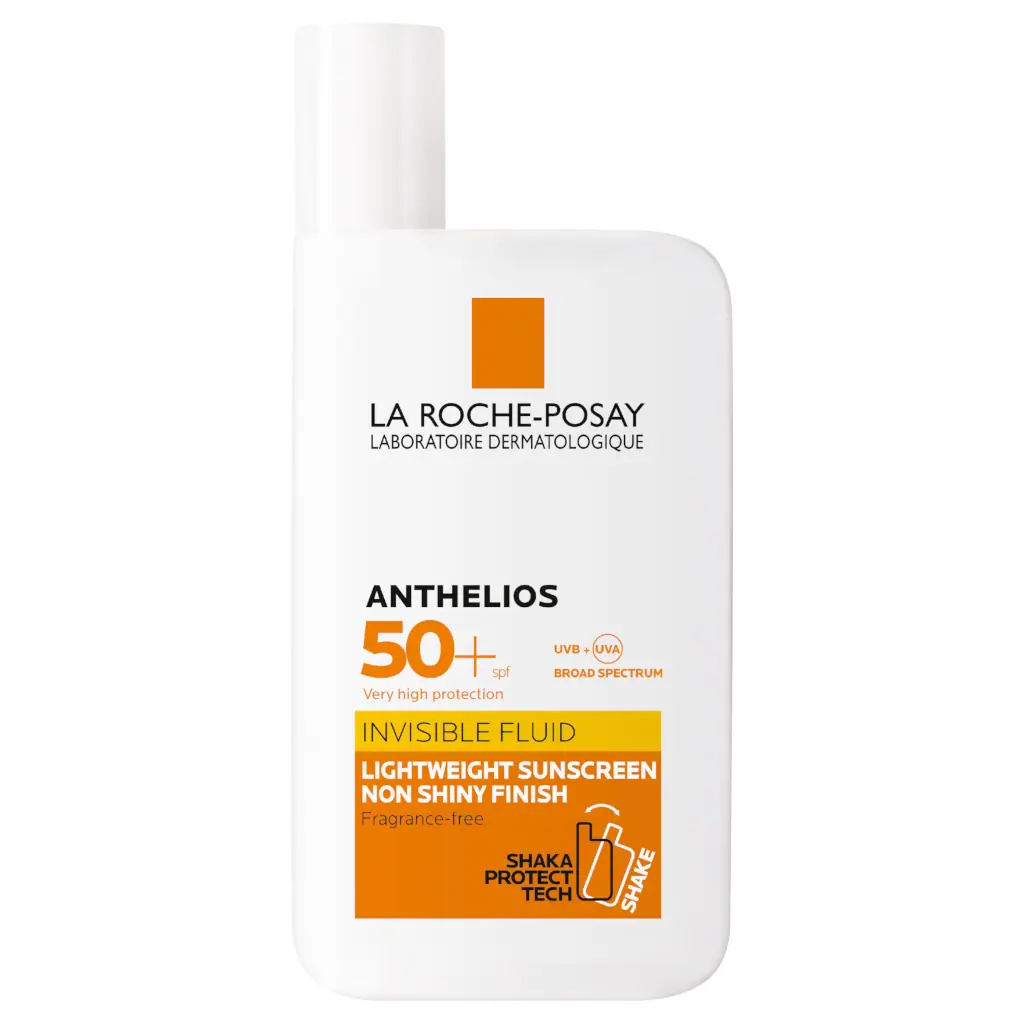
The best product for preventing hyperpigmentation

Why it stands out:
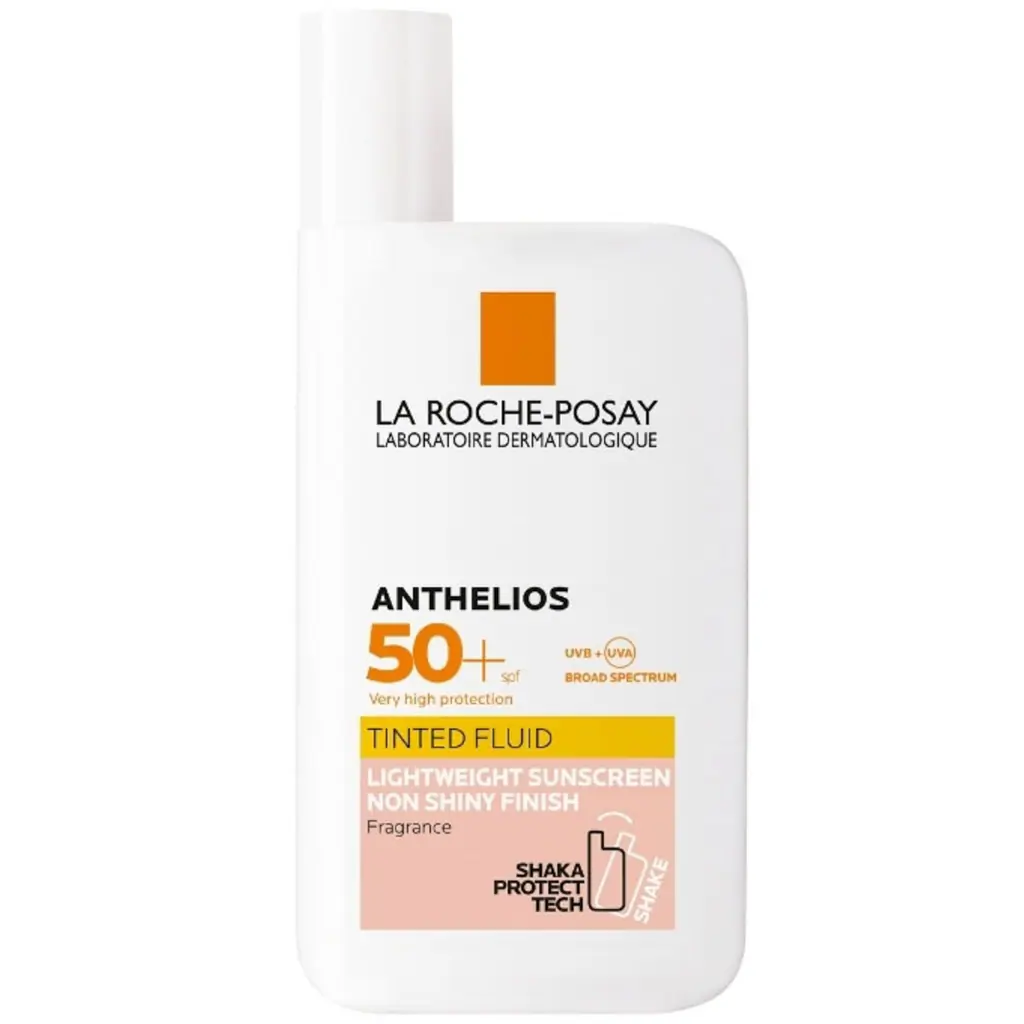
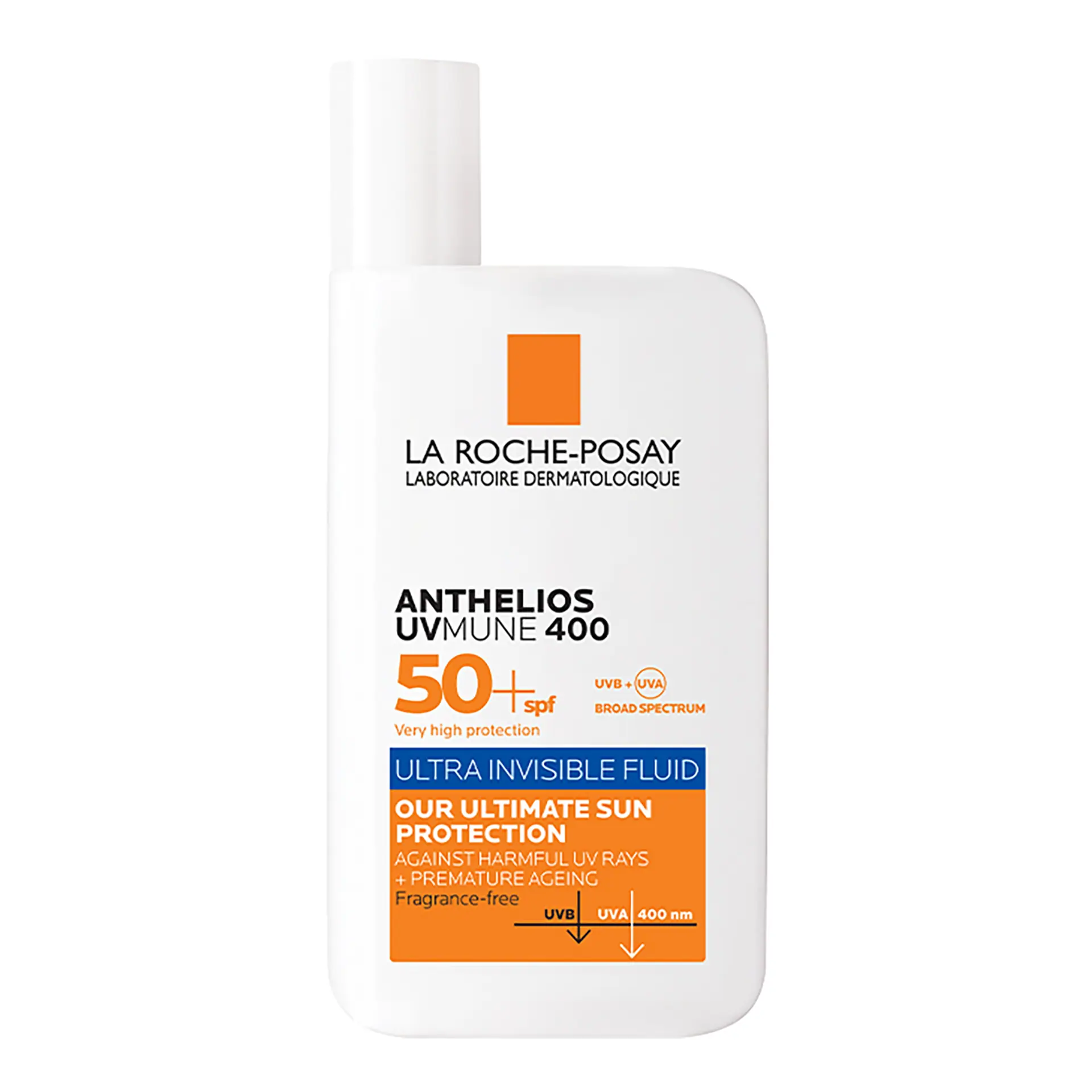
Pigmentation treatments fade existing dark spots. Sunscreen helps stop new ones from forming.
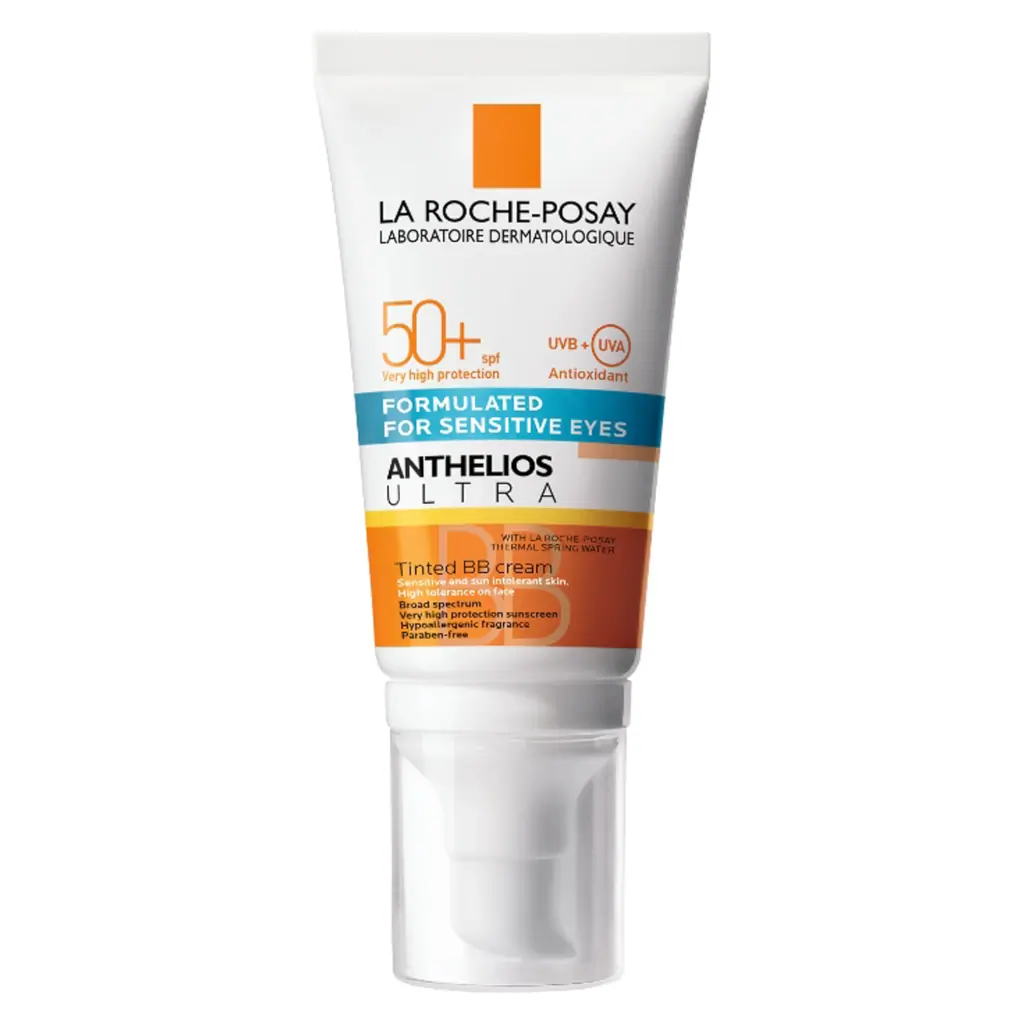
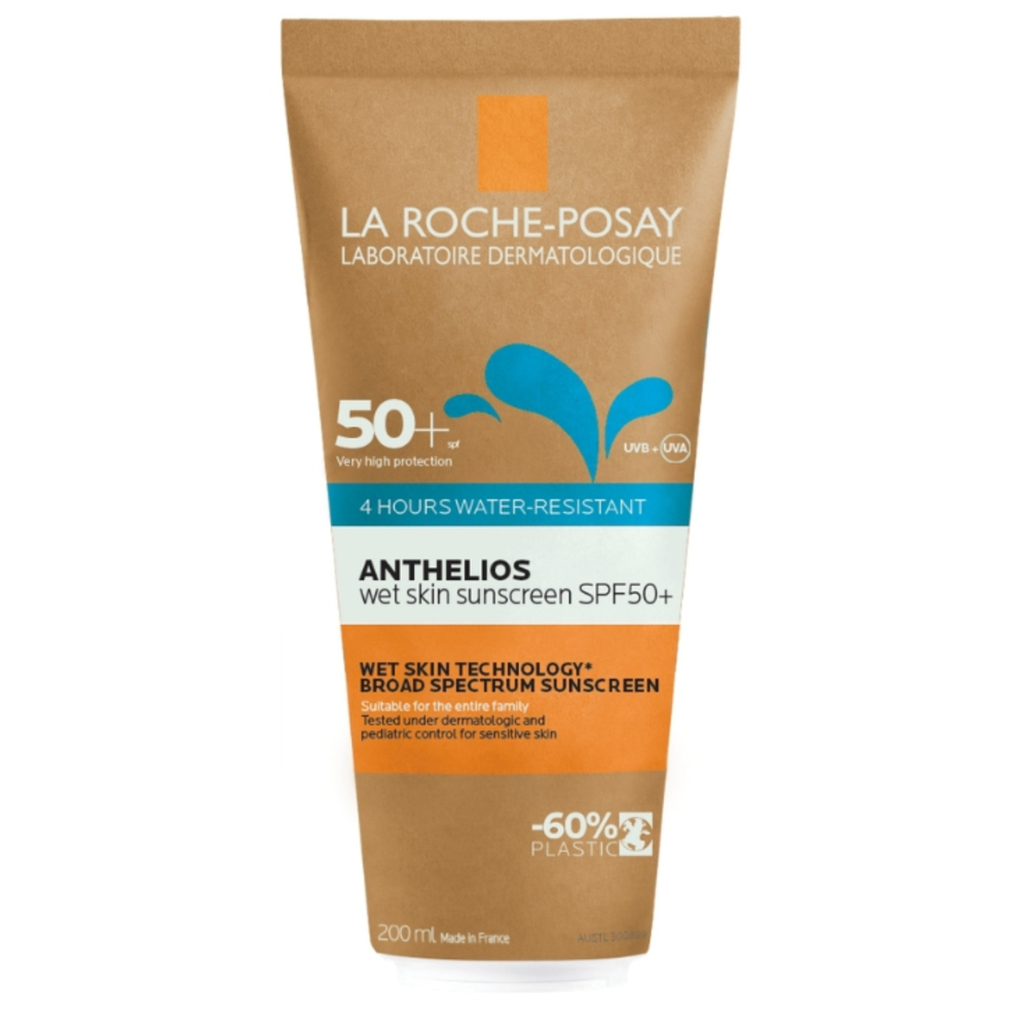
UVMune 400 protects against some of the longest UVA rays that contribute to skin ageing and pigmentation, making it an excellent everyday sunscreen. For people prone to melasma or stubborn dark marks – particularly those with brown or black skin – a tinted sunscreen can offer additional protection against visible light, which can also trigger pigmentation,” says Dr Prasanthi.
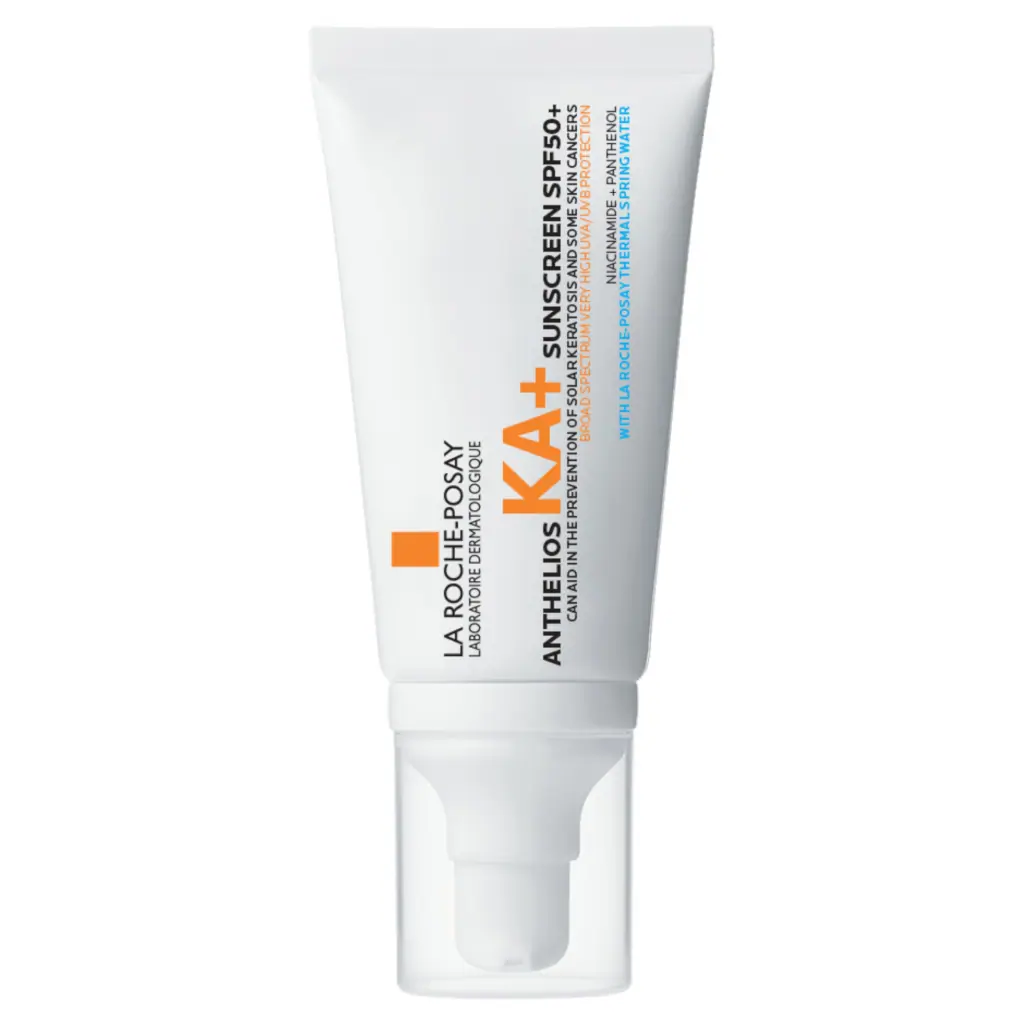
“If I could prescribe only one category of product for preventing hyperpigmentation, it would be sunscreen. Virtually every form of hyperpigmentation, from melasma and post-inflammatory hyperpigmentation to sun spots, is worsened by ultraviolet radiation.”
How it works:
“What makes UVMune 400 particularly noteworthy is its use of Mexoryl 400, one of the first filters designed to protect against ultra-long UVA wavelengths (340–400nm). These longer UVA rays penetrate deeply into the skin, contribute significantly to photoageing and are increasingly recognised as important drivers of persistent pigmentation disorders.
It remains one of the most advanced and comprehensive photoprotection formulas currently available.” – Dr Prasanthi.

Your long-term strategy for tackling hyperpigmentation

So now that we know what to add to cart, let’s make sure we’re clear on how we’re going to tackle hyperpigmentation long-term – including the major mistake to avoid.
“The biggest mistake people make is chasing stronger and stronger brightening products,” Dr Prasanthi tells BeautyIQ. “Hyperpigmentation is often an inflammatory condition as much as it is a pigment condition.”
According to Dr Prasanthi, the most successful routines combine:
  • Daily SPF
  • A pigment inhibitor (niacinamide, alpha arbutin, Melasyl™, tranexamic acid)
  • Barrier support
  • Patience
Lastly? Be patient. Neither Rome nor the success of a good blemish-buster was built in a day.
“Most meaningful improvements occur over eight to 16 weeks at the earliest, not eight to 16 days,” Dr Prasanthi advises.
“For melasma or long-standing pigmentation, expect months rather than weeks. It’s a lifelong dance with prevention and triggers as you live your best life. Acceptance of this ebb and flow nature, and care and support, rather than aggression and urgency, works in your favour.”
Quotes have been edited for clarity


Trying to nail your skincare routine? Read these next:
Sukriti Wahi

Adore Beauty Acknowledges the Woiwurrung language group of the Eastern Kulin Nations as the Traditional Owners of the land our Customer Fulfillment Center and Head Office conduct our business operations on. We would like to extend that Acknowledgement and Respect to all First Nations People and Elders across Australia as our parcels travel across their land, air and water. We recognise First Nations Peoples continuous relationship and connection to Country and at Adore Beauty we commit to treading lightly on the land our parcels travel. We pay our respects to Elders past, present and future.

Terms & Conditions & Privacy Policy. © Adorebeauty – All Rights Reserved
Build id: