A Skin Expert Shares 5 Brightening Products You Can Use Instead of a Vitamin C Serum

Yads Cauchi is a Dermal Clinician, Nutritionist (BHSc, MSc) and Beauty Journalist. She's also a mum of four. Evidence based skin health and nutrition are her thing and she works from her own skin clinic based in Canberra - you can find her there, or on Instagram and TikTok @yadscauchiskin.
If L-ascorbic acid leaves your skin red, sore or spotty, five alternatives can still brighten and fade pigment: niacinamide, alpha arbutin and kojic acid, tranexamic acid, retinol and combination peels. The piece covers how each works, when to use them, product picks like Medik8 Clarity Peptides 30ml and Alpha-H Beauty Sleep Power Peel 50ml, plus safety notes for pregnancy and sensitive skin.
Need to Know Insights From This Article
- Choose Medik8 Clarity Peptides 30ml if vitamin C irritates you; hydrates and calms sensitive skin
- Pick Societe Even Out Dark Spot Corrector for pigment; pregnancy-safe and contains magnesium ascorbyl phosphate
- Try Murad Replenishing Multi-Acid Peel to fade dark marks; includes tranexamic acid plus AHAs and BHAs
- Use Cosmedix Refine retinol at night; pea-sized amount, start once or twice a week; avoid if pregnant
- Reserve Alpha-H Beauty Sleep Power Peel 50ml for non-sensitive skin; strong mix of retinol and glycolic acid
The chokehold vitamin C has on the skincare industry is wild.
So there’s no doubt in my mind that you have heard about this particularly popular ingredient before.
Not only is vitamin C one of the best ingredients for brightening skin, but the vitamin C derivative L-ascorbic acid has extensive scientific evidence backing up its claims promising to even out the skin, treat pigmentation, reduce fine lines and ageing, and protect skin from UV damage when applied alongside your sunscreen.
Yes, it’s a great ingredient. But you need to know...
Vitamin C is not a skincare ingredient for everyone.
In fact, skin issues and irritation from using vitamin C is something that pops up in my skin clinic a lot.
The best ingredients for brightening skin won't help you if they aren't the best for you.
I always like to remind people that every skincare product in a routine needs to have a purpose.
Case in point: If vitamin C makes you break out or leaves your skin feeling irritated, there are other great brightening ingredients for reducing the look of pigment you could be using instead.
Side note: If you've ever Googled 'can I use lemon juice instead of a vitamin C serum', the answer is OVER MY DEAD BODY.
In this article, I'm sure you'll find an alternative to vitamin c serums that will work for your skin.
Vitamin C, Pimples & Sensitive Skin Explained.
Ever used a vitamin C serum, only to break out in pimples or wake up the next day with inflammed skin?
It's not you. It's (usually) L-ascorbic acid.
As we mentioned above, L-ascorbic acid is the most potent, effective form of vitamin C.
However, L-ascorbic acid is actually a super unstable ingredient, so it is often formulated in skin care at a very low pH.
This can be quite irritating to those with sensitive, sensitised skin prone to inflammation, especially if it's also being used in a routine with other active products that might weaken an already sensitive skin barrier.
Learn more about vitamin C in this YouTube video below.
Some skins just aren't compatible with vitamin C. You might even be allergic to topical vitamin C.
So if you’re noticing your skin reacting with vitamin C use by flushing, peeling, changing texture or breaking out (yes, even if you use a vitamin C serum formulated for blemish-prone skin), you may need to stop.
Every skin is different, and just because vitamin C is popular, doesn’t mean it’s for everyone.
But there's good news!
There are plenty of vitamin C alternatives, brightening ingredients in skin care and even vitamin C alternatives for sensitive skin you can use instead.
What Can I Use Instead of a Vitamin C Serum?
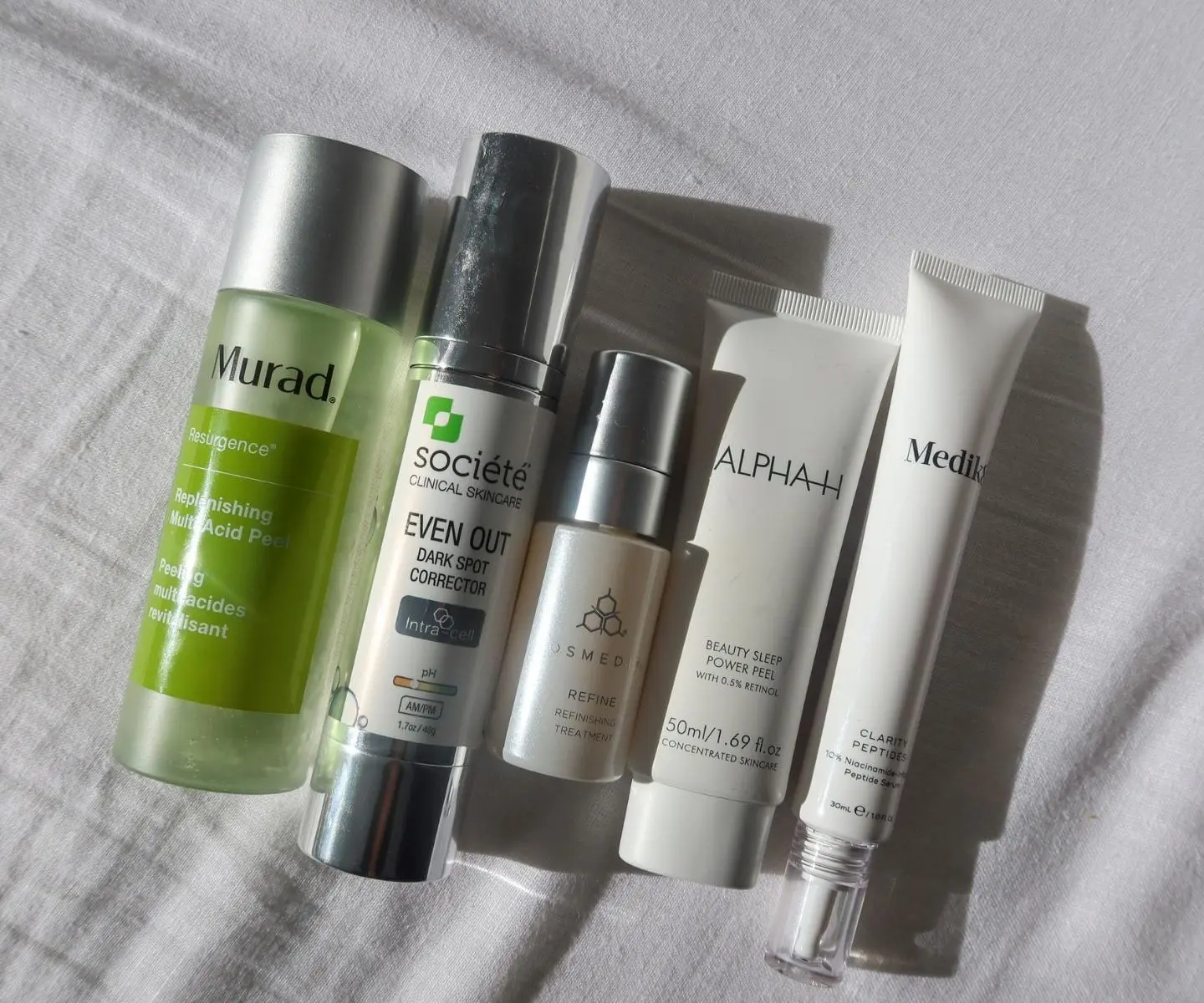
If you've been searching for what to use instead of a vitamin C serum, you'll be pleased to know I've got a whole list for you!
In these product recommendations below, you'll find some of the best ingredients for brightening skin appearance that don't involve vitamin C.
Without further ado, let's get into these vitamin C alternatives.
1. Niacinamide.
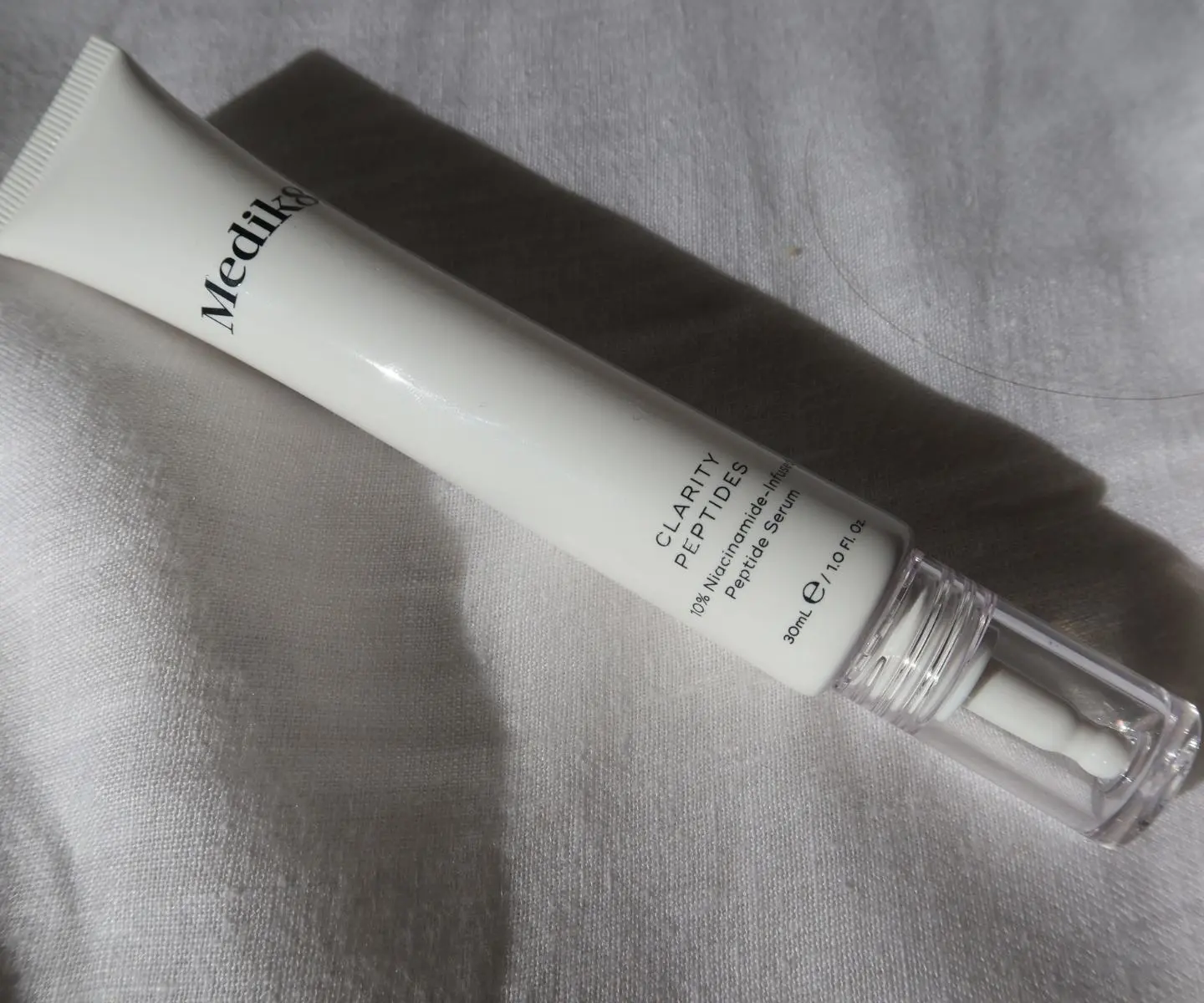
Can I use niacinamide instead of vitamin C? Absolutely!
Niacinamide is a form of vitamin B3 and also a great antioxidant to add to your skincare routine.
It can improve uneven skin tone, help with pore size, assist weakened skin barriers, fight dullness and help with age management concerns.
Niacinamide is in a lot of products these days, so if you already have it in your moisturiser, you may not need to use a separate serum.
Otherwise, apply as a separate serum after your cleanse and before you moisturise. It can be used morning and/or night.
My favourite niacinamide product as a vitamin C alternative:
Medik8 Clarity Peptides 30ml is a non-sticky serum that's one of the better vitamin C alternatives for sensitive skin.
It's incredibly supportive of a weakened skin barrier and very hydrating, so great through winter to calm and brighten the skin.
2. Alpha Arbutin & Kojic Acid.
Alpha arbutin and kojic acid are both antioxidants and tyrosinase inhibitors, meaning they’re great for preventing pigment.
Alpha arbutin can improve the appearance of melasma, sun spots, and post-inflammatory hyperpigmentation (dark spots), while preventing current pigment from getting worse.
Kojic acid is also a great skin brightener, and improves all those forms of skin pigmentation.
How you use these ingredients depends on the product.
If it is combined with other actives in your product, then that should only be used at night.
My favourite alpha arbutin/kojic acid product as a vitamin C alternative:
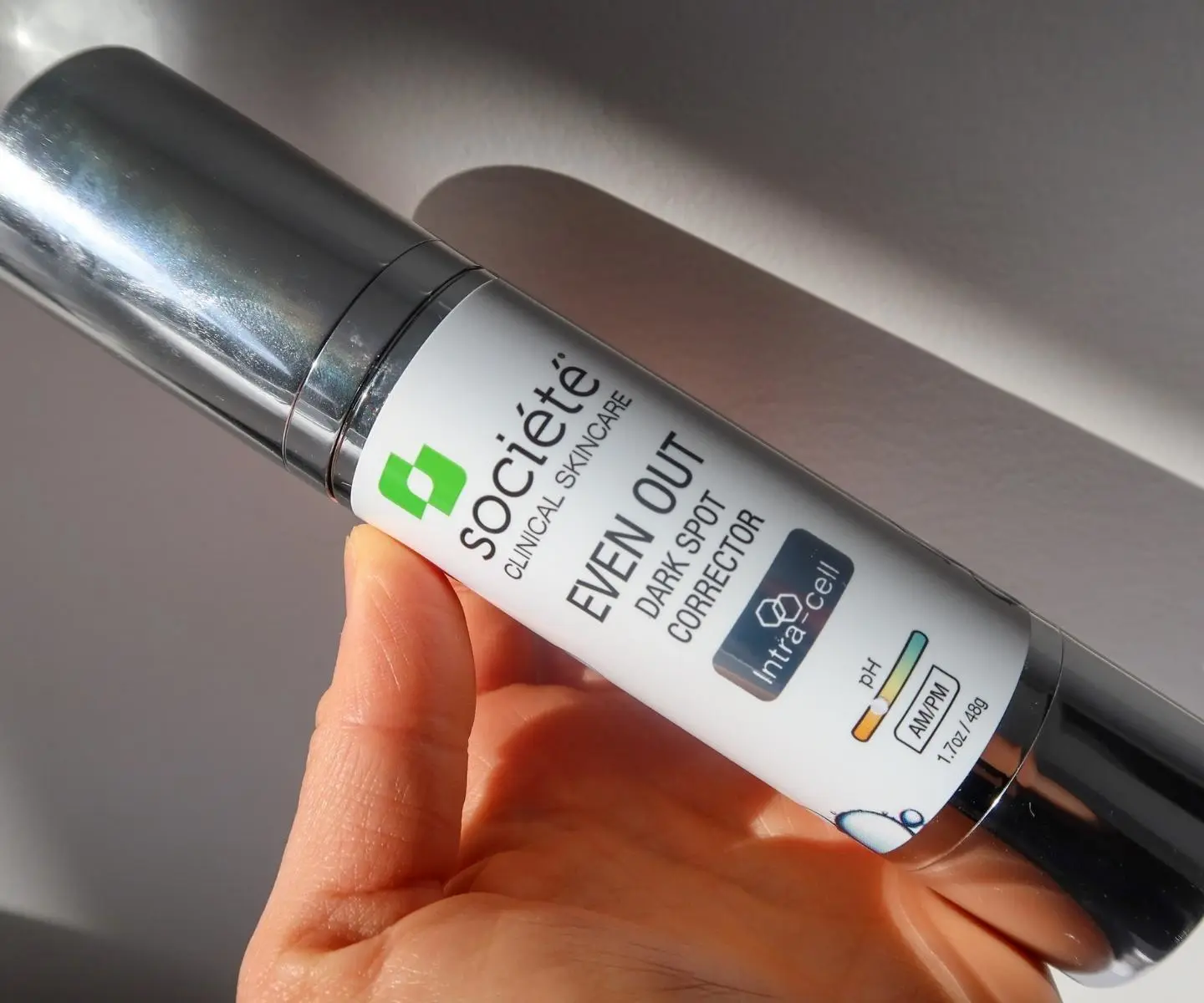
Societe Even Out Dark Spot Corrector is such a creamy, gentle effective pigment fighting serum, sans exfoliating acids.
It can be used morning and night, and is also pregnancy-safe, making it perfect to treat pigment concerns during those nine months.
Note: Societe Even Out Dark Spot Corrector is formulated with magnesium ascorbyl phosphate, a derivative of vitamin C.
However, this version doesn’t need to be formulated at a low pH for efficacy, meaning it’s better tolerated for sensitive skins and is actually quite hydrating.
3. Tranexamic Acid.
Tranexamic acid is a synthetic derivative of the amino acid lysine that helps treat pigmentation.
It fades discolouration, brightens the skin and can help fade dark acne marks.
Depending on the product, this ingredient can be used both morning and night.
If it is combined with another active like an exfoliant then it should be used only in the PM.
My favourite tranexamic acid product as a vitamin C alternative:
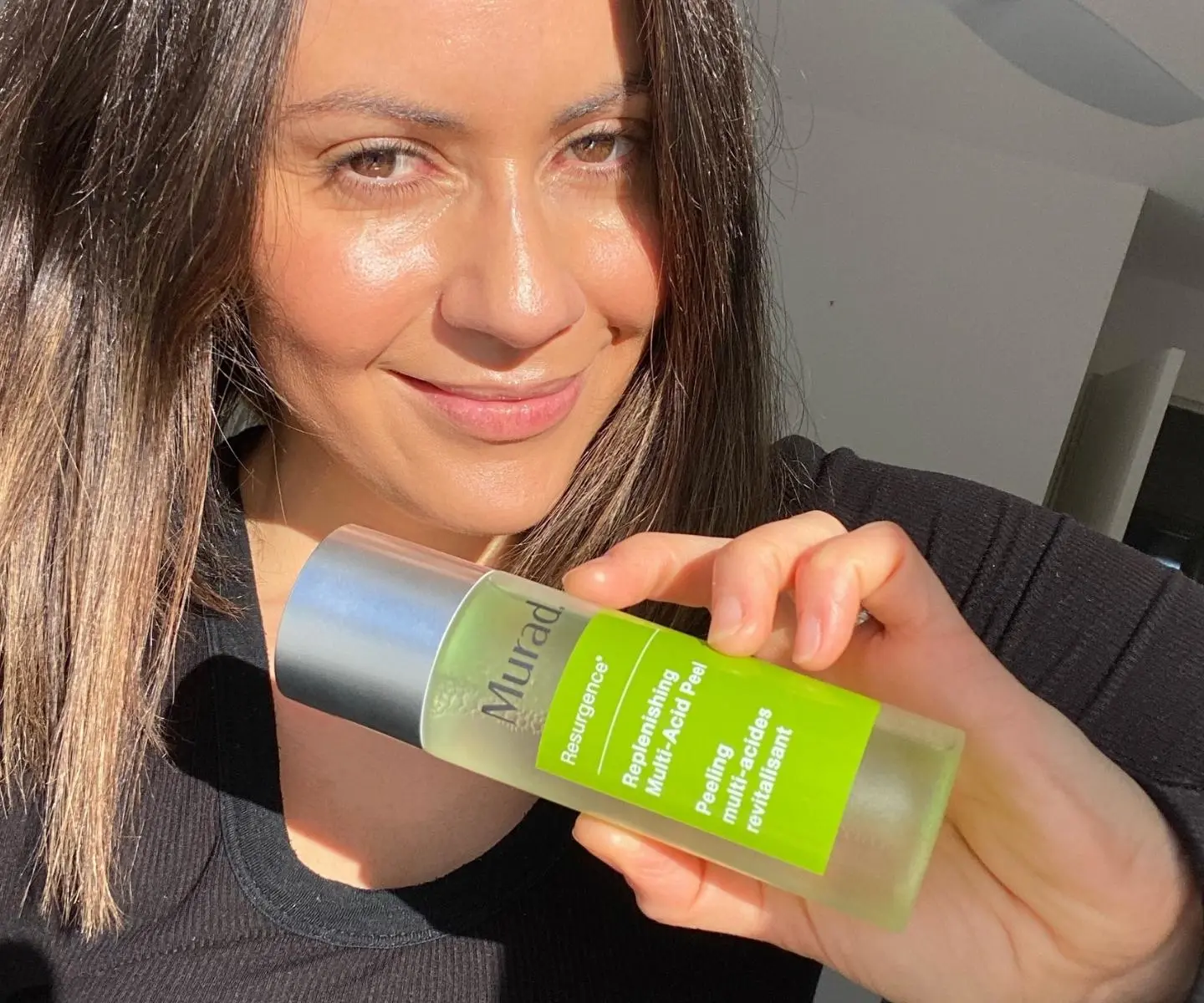
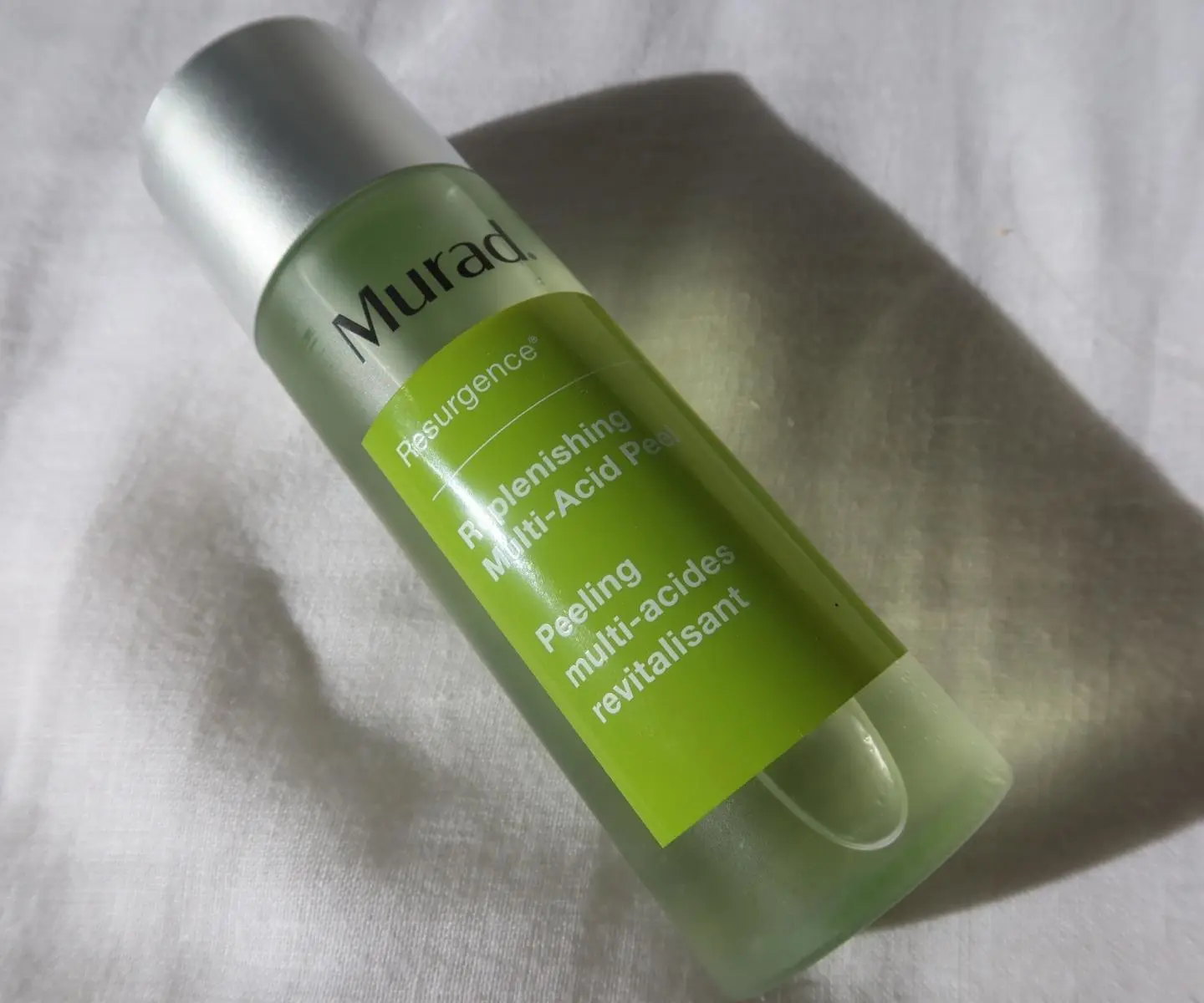
Murad Replenishing Multi-Acid Peel is one of the few products you can find in Australia with tranexamic acid.
Yes, it contains exfoliating ingredients alpha hydroxy acids (AHAs) and beta hydroxy acids (BHAs), but the oil layer makes this product feel much more hydrating and tolerable (and less stingy) than traditional peels.
It would be so well tolerated by many skins, including sensitive skin types who want to treat their pigmentation concerns and brighten, without the irritation.
4. Retinol.
Retinol is a form of vitamin A you can buy in over-the-counter products.
The retinoid treats and helps manage skin ageing concerns, as well as acne, and is predominantly used at night in either a serum or a night cream.
Retinol isn't recommended for use while pregnant or breastfeeding, but could be a good alternative if you're allergic to vitamin C.
My favourite retinol product as a vitamin C alternative:
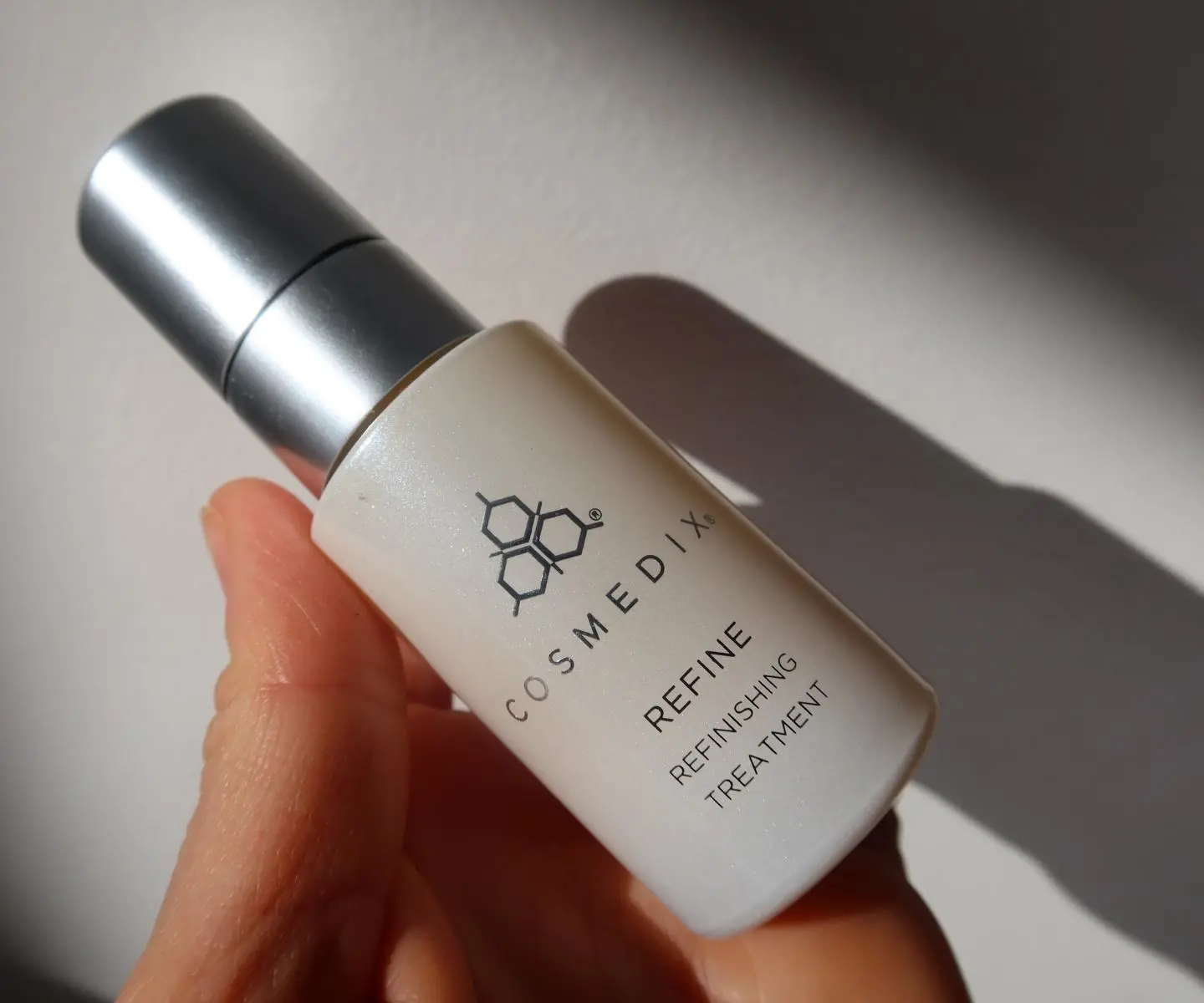
Cosmedix Refine Refinishing Treatment is a medium-strength retinol serum, and one of my favourites for treating acne concerns.
It’s slightly mattifying but still hydrating, making it great for blemish-prone skins and anyone who needs to regulate their oil production.
The product's ability to reduce inflammation in the skin can also help prevent further issues like post-inflammatory hyperpigmentation.
Plus, you only need a tiny bit. A pea-sized amount is plenty.
It’s best to start slowly by using your retinol once or twice a week to build up your skin’s tolerance.
5. A Combination Peel.
Finally, now we know there are many other brightening ingredients that aren't vitamin C, you’ll probably start to notice some brands combine these vitamin C alternatives into the one product.
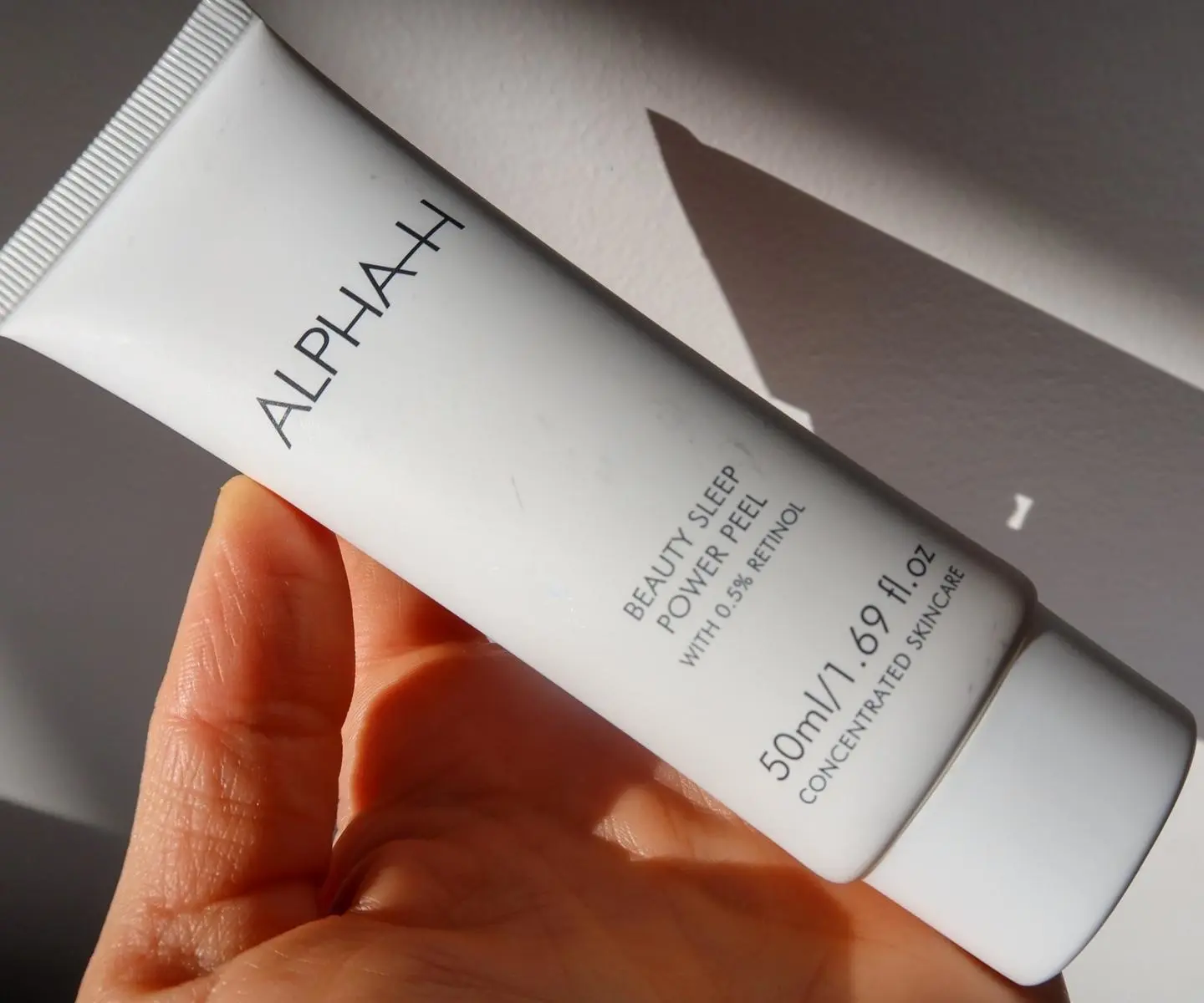
Alpha-H Beauty Sleep Power Peel (50ml) is one of these products, and she is spicy.
This night cream/serum is to be used after cleansing, and has been formulated with both retinol and glycolic acid, so you will wake up glowy AF.
Be warned: It is very strong though, so please don’t start using it every night or your face will fall off.
It is not a vitamin C alternative for sensitive skin, but it is great for treating the look of fine lines and wrinkles, pigmentation, congestion and breakouts.
You can read more educational articles about vitamin C and products for pigmentation below: